
Hello friend,
It has been a while! It is that time of year that I am returning to work having spent a few weeks surrounded by nature, and that got me thinking how those of us working in nonprofits, charities, philanthrophy can learn so much from the land.
I've been thinking about how every autumn at primary school we carried tins and fruit and bread into the hall, sang, stacked the boxes at the front, and by Monday it had all gone somewhere, to people we never met and were never asked to think about again.
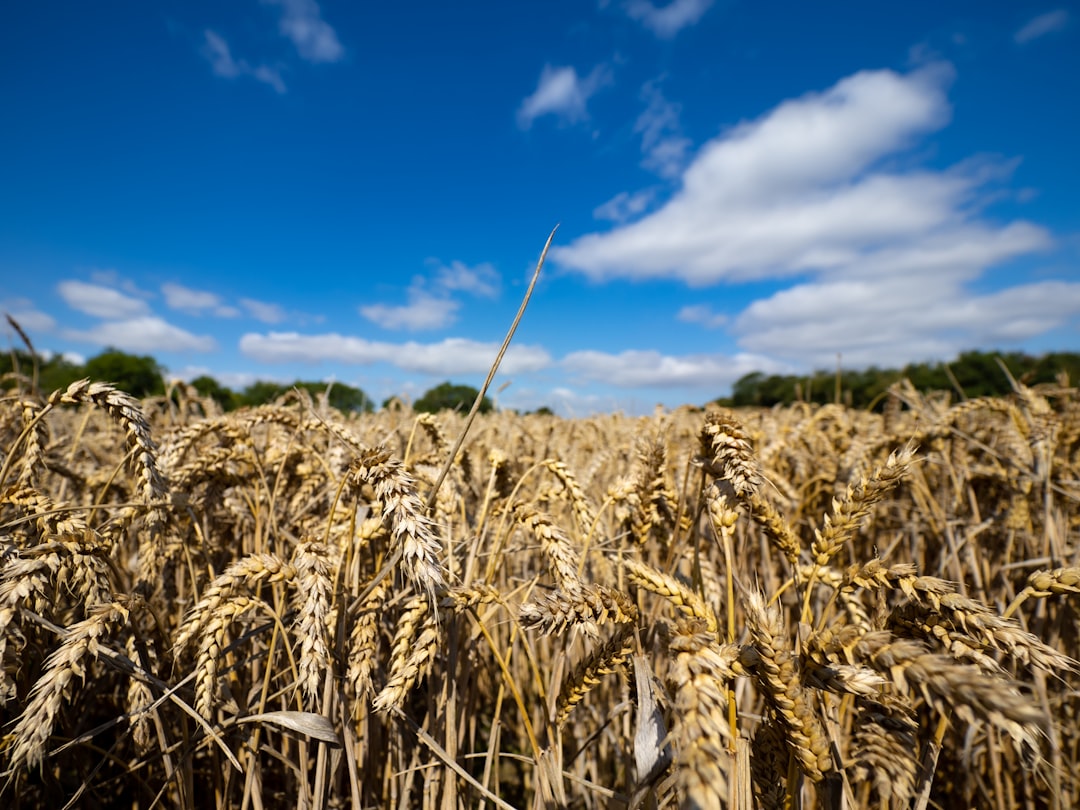
In all those Harvest Festival assemblies, nobody once told us what it had actually taken to get that food into our arms. Not the people who planted it, or picked it, or drove it through the night, or worked the line that put it into the tin. The harvest simply arrived, as though abundance were a season rather than a labour.
I have been off work for a few weeks. It is sugar cane harvest here in Mauritius, and from my office window I have been watching the cut and thinking about the fact that the bags of sugar decorating the stage of my primary school in west Wales could plausibly be traced back to fields like these, and about how thoroughly that was designed to be invisible.
The harvest festival kept the celebration and removed the production. Which is, more or less, what we do in the non-profit sector, right?
The annual report is a harvest festival. So is the impact deck. We display the yield, we thank the funder, we leave out most of the puzzle that made it possible, and then we call it innovative.
There is a second thing the school hall left out, which is that harvest is the peak labour moment of the agricultural year, and peak labour is historically where protections thin. Everybody drafted, because the crop will not wait. That is how most of us work most of the time, and a sprint is a state of exception, which is where the unpaid work goes: the partner absorbing a reporting burden nobody costed, the community members on expenses rather than fees, the caregiver building the slide deck after bedtime. Then the report goes out with the yield on it, and none of that is in the record.
What the land does that we do not is rest. Fallow is not a wellness perk bolted onto the calendar. It is the only period in which anyone has time to ask what the last cycle cost and who paid for it. A field worked without pause has no idea what it is depleting until the yield collapses. We do not pause, so we do not know, and we have learned to call that resilience. I suspect part of the reluctance is that pausing makes us accountable for the cycle we have just finished, and it is easier to start the next one.
Try this before the next cycle starts
It is that time of year where many of us are returning to work after a short break
I invite you to take twenty minutes with the last piece of work you closed, and answer four questions honestly, in writing, where you can see them.
- What did this last cycle actually yield, and for whom?
- What did it take out of the ground, and out of whom, and does that appear anywhere in writing?
- What did you let properly rot down and learn from, as against quietly bin?
- What are you saving as seed for a season you may not be there for?
Then look at the budget for that piece of work, because it is the honest record of whose labour was treated as real. A zero line against the people who made it possible is not an accounting fact, it is a design decision.
If the answers are uncomfortable, that is the useful part, and it is the point at which values stop being decorative. Values that have never been tested against a budget or a deadline are just a page on a website, so this is where I would start.
And if you don't know what your personal values framework is , now is an excellent time to start. Getting clearer on our values framework is one of the things we explored on the recent Design for Social Impact accelerator- and you can download the template below for free. There is never a better time than at the start of a new season to get clearer on what your personal values are and how these can shape your work, ensure healthy, joyful and regenerative practices don't go out the window during peak or intense moments, in turn helping you to maintain values-driven decision-making.
The Values Framework - a free template to help you define your personal and professional values
The longer version of this piece, including what the Black Panther breakfast programme and the Lincoln Detox occupation have to do with our habit of inventing everything from scratch, is on Designing Otherwise.
In the next issue, I am going further into what regenerative practice would ask of a design rather than of a person, because this is not finally a story about individual rest.
One more thing. The Design for Social Impact Lab Accelerator opens again in 2027. Eight weeks, capped at twenty, global cohort, and it is where this kind of interrogation gets done properly with people who already share the politics and are trying to practise them inside institutions that were not built for it. Parity pricing, payment plans are available and always will be. https://www.designforsocialimpact.io/designforsocialimpactaccelerator




Responses